
Strengthening the Supervision of Financial Conglomerates in West Africa
As financial institutions across West Africa expanded into complex banking groups with subsidiaries in insurance, investment services, and capital markets, regulators faced new supervisory challenges. Traditional bank-level oversight was no longer sufficient to monitor risks arising across group structures, including contagion, regulatory arbitrage, and intra-group exposures that could threaten financial system stability.
THE OPPORTUNITY
Building Regional Capacity for Consolidated Financial Supervision
The growing presence of financial conglomerates across the West African Monetary Zone created an urgent need for regulators to adopt modern supervisory frameworks capable of overseeing complex financial groups. The West African Institute for Financial and Economic Management, working with the College of Supervisors of the West African Monetary Zone, identified an opportunity to strengthen regional capacity in the establishment, regulation, and supervision of bank and financial holding companies.
By drawing on international regulatory experience and global best practices, the programme aimed to equip supervisors with the knowledge and tools required to implement consolidated supervision across jurisdictions. The initiative also sought to foster stronger collaboration among regional regulators, enabling them to better monitor cross-border banking groups and respond collectively to systemic risks.
Ultimately, the programme aimed to help West African regulators transition from fragmented oversight toward coordinated, group-wide supervision—supporting financial stability and sustainable financial sector development across the region.
THE SOLUTION
Developing A Regional Framework for Consolidated Supervision
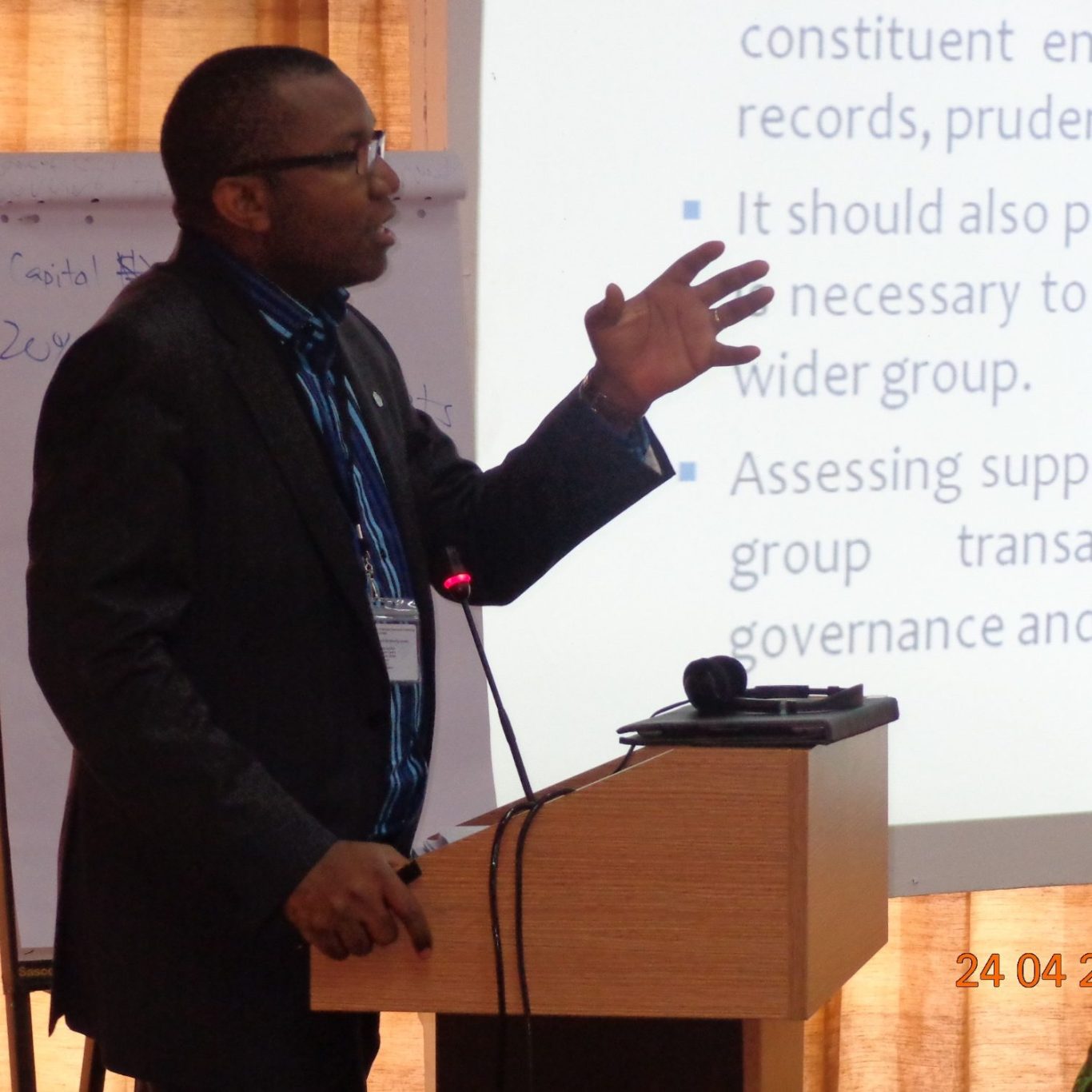
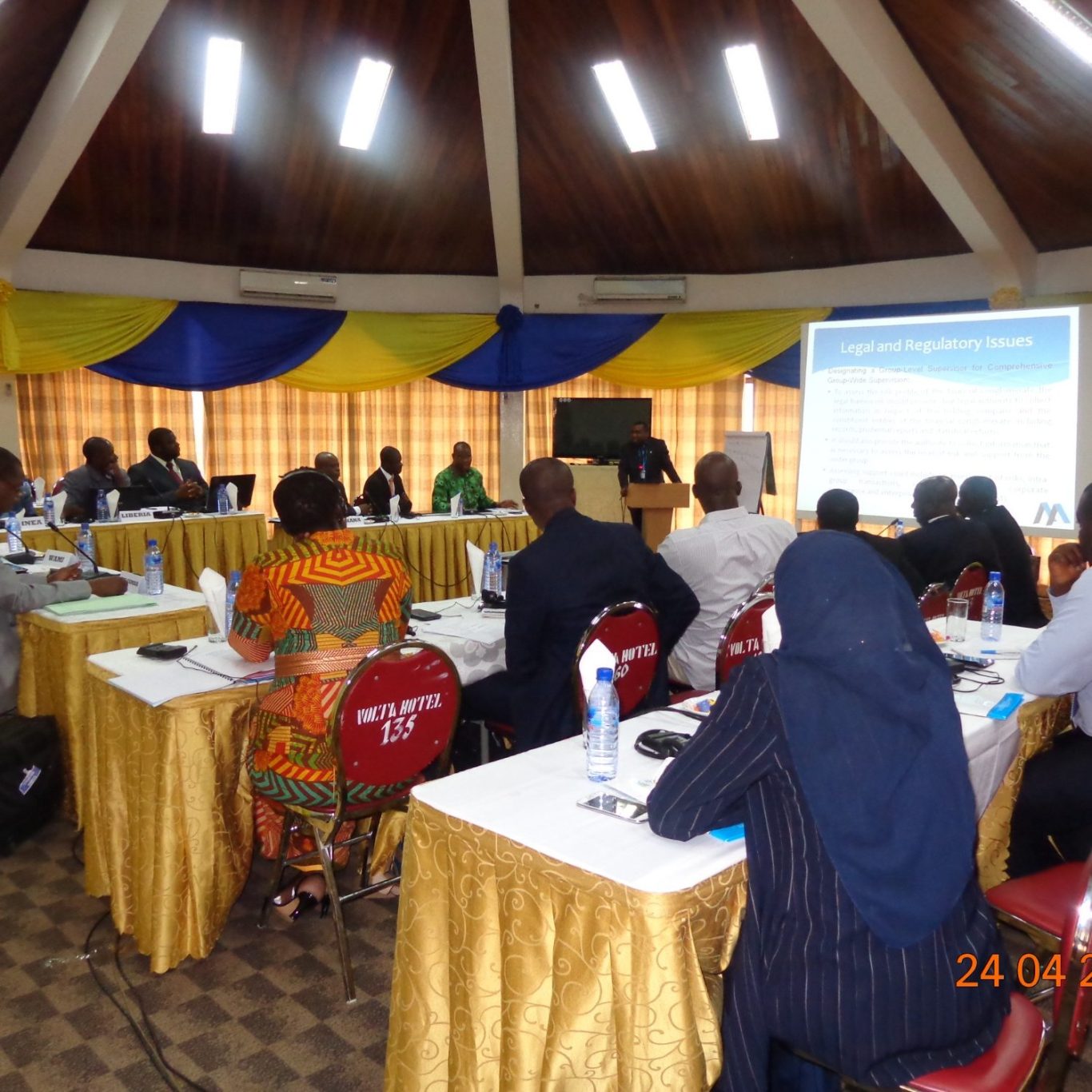
Mindset Resource Consulting delivered a specialised training and policy dialogue programme in Accra designed for senior banking supervisors and regulators from across the West African sub-region. The programme brought together 23 participants—including heads of banking supervision, senior economists, and policy researchers—from institutions such as the Bank of Ghana, Central Bank of Nigeria, Bank of Sierra Leone, and the Central Bank of West African States.
The workshop provided a comprehensive overview of the principles and practical application of consolidated supervision for financial conglomerates. Participants examined the objectives and regulatory foundations of consolidated supervision, including the standards governing the formation and approval of financial holding companies and the governance structures required for effective oversight of group entities.
A central component of the programme focused on enterprise risk management within financial conglomerates. Participants explored how supervisors can identify and manage group-wide risks arising from credit concentration, intra-group transactions, liquidity management, and capital adequacy across subsidiaries. Analytical frameworks were introduced to strengthen regulators’ ability to evaluate consolidated financial statements and assess systemic vulnerabilities across financial groups.
The programme also addressed supervisory challenges unique to complex financial conglomerates, including contagion risk, regulatory arbitrage, transparency gaps, and autonomy risks between parent companies and subsidiaries. Through case studies and structured supervisory questionnaires, participants examined how regulators in other jurisdictions address these challenges through coordinated oversight and information-sharing frameworks.
In addition, the programme emphasised cross-border supervisory cooperation—an essential element of effective oversight for regional banking groups operating across multiple jurisdictions. Discussions explored mechanisms for strengthening supervisory colleges, harmonizing regulatory standards, and improving communication among central banks and regulatory authorities.
By combining technical training, policy dialogue, and international case studies, the programme provided regulators with practical tools for implementing consolidated supervision frameworks aligned with global regulatory standards.

THE IMPACT
Enhancing Financial Stability through Coordinated Supervision
The programme significantly strengthened regulators’ capacity to supervise complex financial conglomerates across West Africa. Participants gained advanced skills in consolidated supervision, enabling them to monitor group-wide risks more effectively, including large exposures, liquidity vulnerabilities, and intra-group transactions.
Improved understanding of contagion risk, regulatory arbitrage, and governance weaknesses enhanced regulators’ ability to identify potential systemic threats before they escalate. The training also reinforced supervisory expectations around corporate governance, capital adequacy, and enterprise risk management within financial groups.
Importantly, the programme strengthened cross-border cooperation among central banks and supervisory authorities, supporting more coordinated oversight of regional banking groups. This alignment of supervisory frameworks helped bring regulatory practices closer to international standards such as the Basel Core Principles.
By improving regulatory capability and promoting regional collaboration, the initiative contributed to a more resilient financial system across the West African Monetary Zone—supporting investor confidence, financial sector development, and long-term macroeconomic stability.