
Strengthening Monetary and Macroprudential Policy Capacity for Financial Stability in West Africa
Financial systems across West Africa were becoming increasingly interconnected and exposed to global capital flows, credit cycles, and external shocks. Policymakers needed stronger analytical tools to design effective monetary policy and detect systemic financial risks. However, limited technical capacity in macroprudential surveillance and policy coordination constrained regulators’ ability to respond proactively to emerging financial vulnerabilities.
THE OPPORTUNITY
Building Regional Expertise in Financial Stability and Policy Coordination
The West African Institute for Financial and Economic Management recognised the opportunity to strengthen regional capacity in monetary policy formulation and macroprudential oversight. With financial markets evolving rapidly across the ECOWAS region, policymakers required deeper expertise in understanding how monetary, fiscal, and financial sector policies interact to influence macroeconomic stability.
The initiative aimed to equip central bank economists, financial supervisors, and government policymakers with advanced analytical tools for assessing systemic risks and improving policy effectiveness. By fostering shared analytical frameworks among institutions—including central banks, finance ministries, and regional monetary bodies—the programme also sought to promote policy harmonisation and strengthen cross-country collaboration in financial stability management.
Ultimately, the goal was to help West African policymakers move from reactive crisis management toward proactive risk monitoring and coordinated macroeconomic governance.
THE SOLUTION
Developing Advanced Policy Analysis and Financial Stability Tools
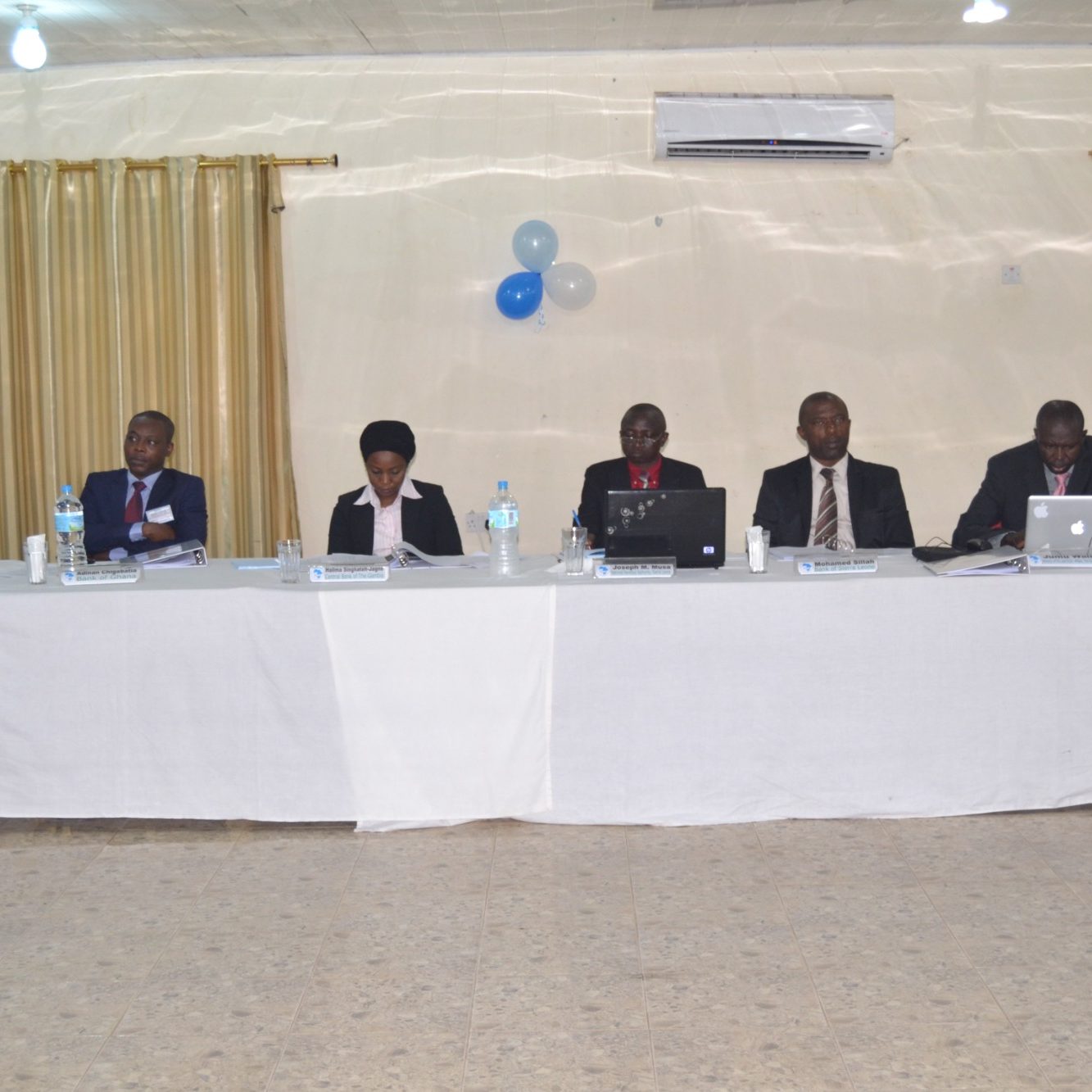
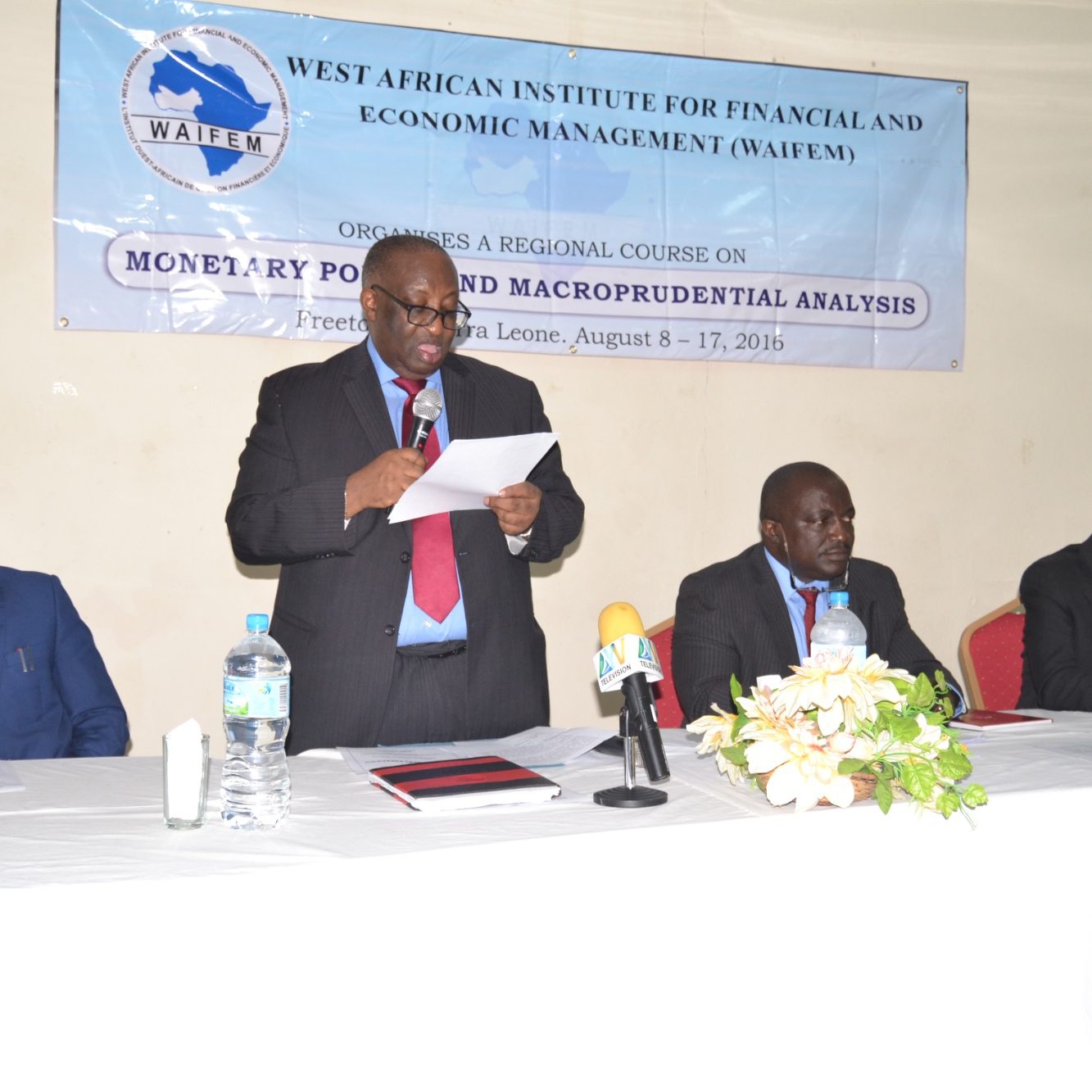
Mindset Resource Consulting designed and delivered a comprehensive regional capacity-building programme in Accra (and a second phase in Freetown, Sierra Leone) for senior policymakers and economists from across West Africa. The programme combined theoretical instruction with practical analytical exercises to strengthen participants’ ability to design and implement effective monetary and macroprudential policies.
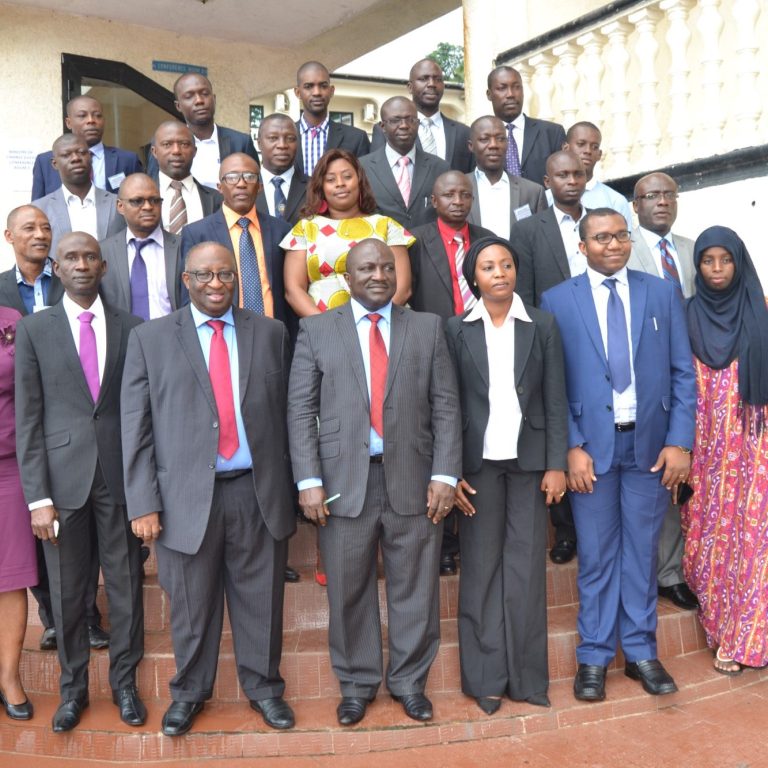
The workshop brought together 22 senior participants from leading policy institutions, including the Bank of Ghana, Central Bank of Nigeria, Bank of Sierra Leone, and West African Monetary Agency, as well as representatives from finance ministries and regional policy organizations.
The curriculum addressed the full analytical framework required for modern monetary policy and financial stability management. Participants examined the foundations of monetary policy formulation, including policy transmission mechanisms, operational frameworks, and the interaction between monetary policy and broader macroeconomic management.
A major component of the programme focused on macroprudential surveillance. Participants were introduced to tools for detecting financial vulnerabilities using macroprudential indicators and banking sector metrics. Sessions explored how balance sheet analysis of commercial banks and central banks can reveal emerging risks within the financial system.
Advanced quantitative techniques were also introduced to strengthen risk assessment capabilities. Participants learned how to conduct stress testing of financial systems and apply Value-at-Risk (VaR) methodologies to evaluate potential systemic shocks. Practical modelling exercises enabled policymakers to analyse the interaction between monetary policy instruments and macroprudential measures across different stages of financial market development.
The programme also emphasised policy coordination—an increasingly critical element of effective macroeconomic management. Participants explored how monetary policy, fiscal policy, and prudential regulation interact and how improved coordination can reduce policy conflicts and unintended economic spillovers.
Through case studies, analytical simulations, and collaborative discussions, the programme helped policymakers translate theoretical concepts into practical tools for financial system monitoring and policy implementation.
THE IMPACT
A Stronger Regional Framework for Financial Stability
The programme significantly strengthened the analytical capacity of policymakers and regulators across West Africa. Participants developed improved capabilities to design credible monetary policy frameworks, assess financial vulnerabilities, and apply macroprudential tools to limit systemic risk.
Enhanced skills in stress testing, banking system analysis, and macroprudential indicator monitoring enabled institutions to detect potential financial instability earlier and respond more effectively to emerging risks. The programme also improved coordination between monetary, fiscal, and supervisory authorities—supporting more coherent macroeconomic policy frameworks across the region.
Importantly, the shared training experience fostered greater alignment in analytical approaches among central banks, ministries of finance, and regional monetary organizations. This convergence of policy frameworks contributes to stronger financial stability across the sub-region while supporting regional integration objectives.
By strengthening institutional capacity and improving systemic risk surveillance, the initiative helped create a more resilient macroeconomic environment—supporting investment confidence, financial sector stability, and sustainable economic growth throughout West Africa.