
Strengthening Financial Stability in Nigeria's Post-Crisis Banking Sector
In the aftermath of the Global Financial Crisis, regulators worldwide faced growing pressure to strengthen oversight of financial institutions. In Nigeria, the Central Bank of Nigeria was implementing major reforms to improve bank governance, reduce systemic risk, and introduce risk-based supervision—yet many supervisors required updated technical tools and policy frameworks to manage emerging financial sector risks.
THE OPPORTUNITY
Strengthening Regulatory Capacity for a More Resilient Banking System
The post-crisis environment created a strategic opportunity for the Central Bank of Nigeria to enhance its regulatory architecture and supervisory capabilities. As financial institutions became more complex and interconnected, regulators needed stronger tools to detect systemic risks, monitor bank performance, and enforce sound governance across the sector.
Mindset Resource Consulting partnered with the Central Bank to deliver a targeted capacity-building programme for regulators responsible for banking supervision and financial policy. The initiative aimed to deepen understanding of contemporary risk management practices, macro- and micro-prudential regulation, and governance frameworks used by leading financial regulators globally.
By equipping supervisors with modern analytical frameworks and policy insights, the programme sought to strengthen the implementation of Nigeria’s risk-based supervision regime and support the Central Bank’s broader reform agenda for financial stability.
THE SOLUTION
Building Regulatory Expertise in Risk-Based Supervision and Governancen
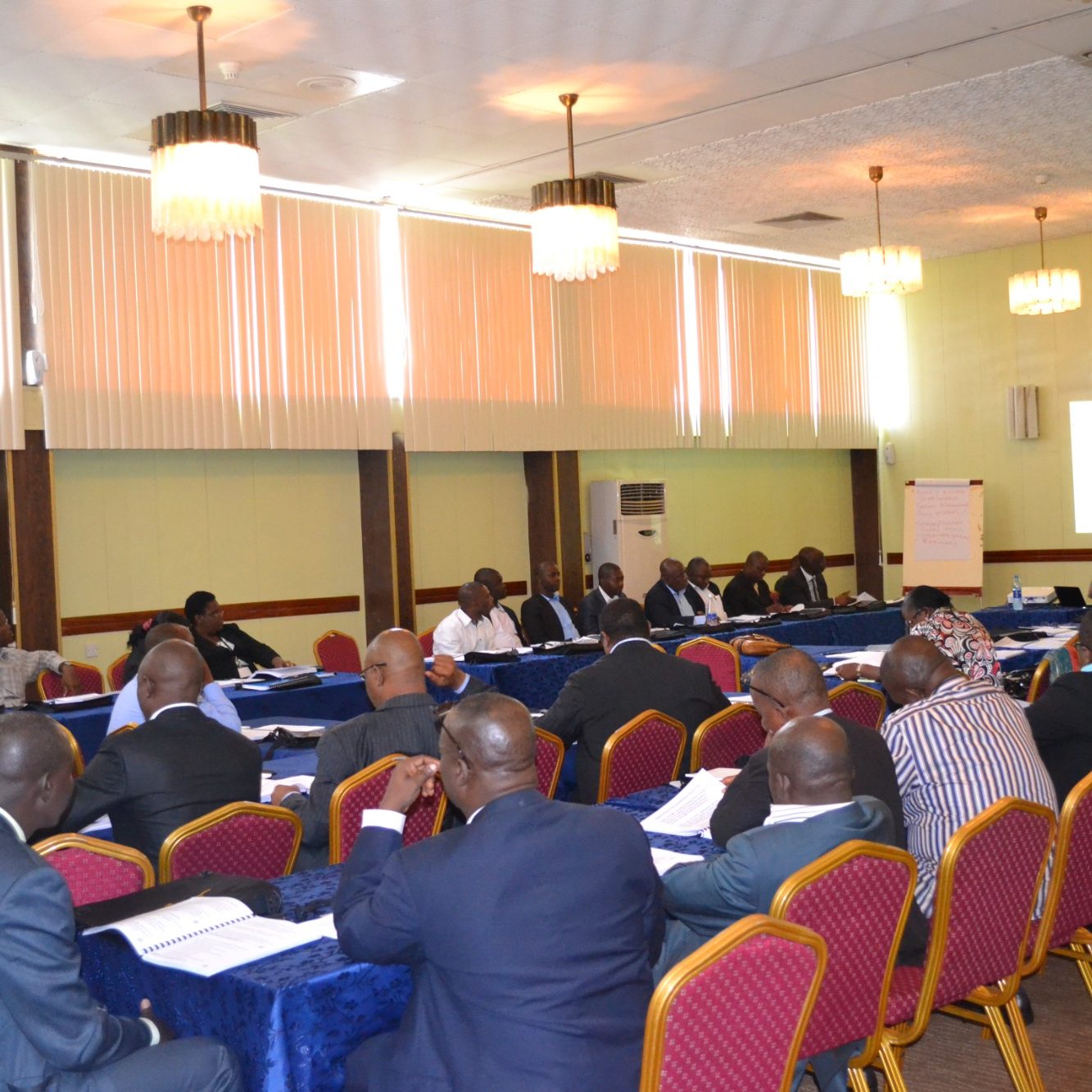
Mindset Resource Consulting designed and delivered a comprehensive in-plant training programme in Lagos and Kaduna for 104 senior regulators and supervisors from the Banking Supervision Department and Financial Policy and Regulation Department of the Central Bank of Nigeria. The programme combined expert-led lectures, policy discussions, and practical analytical frameworks to enhance supervisory capability across key areas of financial regulation.
The curriculum addressed the evolving role of financial system regulation in increasingly complex global financial markets. Participants examined the full spectrum of risks affecting financial institutions—including credit, market, liquidity, operational, and governance risks—and explored how regulators can identify, measure, and mitigate these risks using modern supervisory tools.
A central component of the programme focused on risk-based supervision, emphasizing the importance of integrating micro-prudential oversight of individual institutions with macro-prudential monitoring of system-wide vulnerabilities. Participants learned how to strengthen the macro-prudential perspective of financial regulation, including the use of financial stability reports to identify emerging systemic risks and guide policy responses.
Sessions also explored the critical relationship between corporate governance and bank performance. Regulators examined how ownership structures, board oversight, remuneration policies, and disclosure practices influence risk-taking behaviour within banks. These discussions were complemented by analysis of governance failures that contributed to global banking crises and the regulatory responses introduced by international policymakers.
Additional modules focused on capital adequacy frameworks, liquidity risk management, and countercyclical capital buffers designed to strengthen financial resilience during economic cycles. Participants also examined regulatory strategies for protecting depositors and investors while maintaining healthy competition and innovation within the banking sector.
The programme further reviewed major international regulatory reforms introduced following the global financial crisis, drawing lessons from leading institutions and global standard-setting bodies to inform Nigeria’s regulatory framework.
By combining theoretical insights with policy-relevant case studies and supervisory methodologies, the training equipped regulators with practical tools to strengthen risk oversight, governance standards, and regulatory decision-making across Nigeria’s financial system.


THE IMPACT
Enhancing Regulatory Effectiveness and Financial System Resilience
The programme significantly strengthened the supervisory capabilities of regulators within the Central Bank of Nigeria. Participants gained practical tools to detect emerging risks earlier, evaluate bank performance more effectively, and implement risk-based supervisory approaches across regulated institutions.
The initiative directly supported the Central Bank’s post-crisis reform agenda by strengthening macro-prudential oversight, improving governance standards, and enhancing supervisory judgment in areas such as capital adequacy, liquidity risk management, and institutional risk governance.
Improved regulatory capability helped reduce moral hazard and excessive risk-taking within the banking system while reinforcing stronger internal controls and accountability across financial institutions. The programme also strengthened regulatory frameworks for consumer and investor protection, helping rebuild trust in the financial sector.
By enhancing the effectiveness of financial regulation and supervision, the engagement contributed to a more stable and resilient Nigerian banking system—supporting market confidence, protecting depositors and investors, and enabling the financial sector to play a stronger role in Nigeria’s long-term economic development.